

A shared EU testing declaration is progress toward a framework, but it is still not an actual approval pathway. By Stewart Burnett
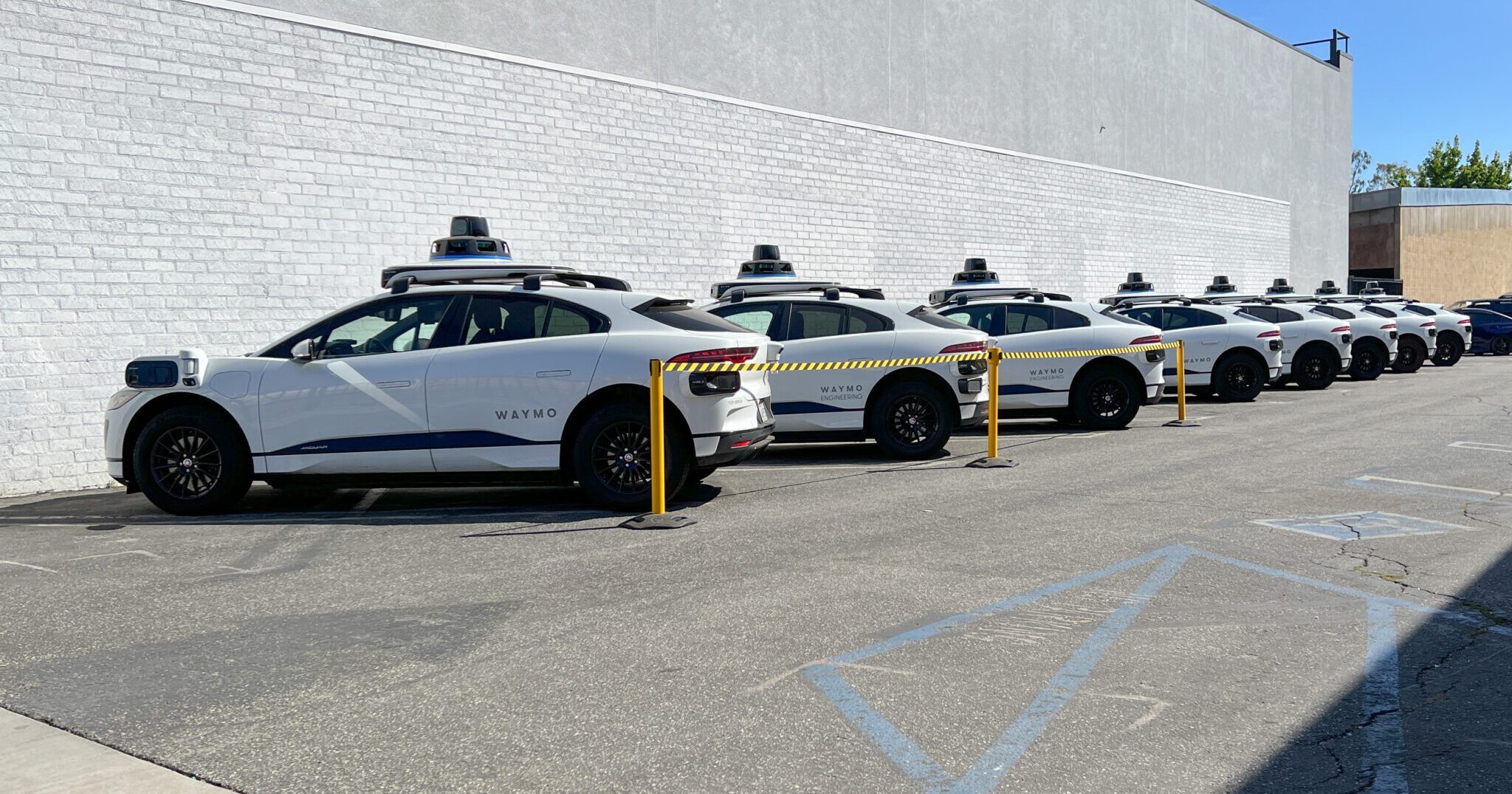
Waymo confirmed on 25 August that it will bring a commercial robotaxi service to Munich, making the Bavarian capital its first market on the European mainland with a target launch of late 2027. The announcement follows the Alphabet unit’s quietregistrationof a German entity in Munich back in June, and will begin with manually driven mapping of local streets before progressing to supervised testing.
In a statement, Waymo Co-chief Executive Tekedra Mawakana described Munich as “a world-class hub for mobility and engineering”, while German transport official Christian Hirte framed the launch as validation of the legal framework Germany has already built for autonomous driving. Bavarian State Chancellery Head Florian Herrmann said that the region intends to be “an international leader in autonomous driving”, given its concentration of automakers and their software research hubs specifically.
No doubt Waymo chose Munich for symbolic reasons:
No doubt Waymo chose Munich for symbolic reasons: the city is BMW’s home, sits within an hour of Mercedes-Benz’ Stuttgart base, and is also closely situated near Volkswagen software unit Cariad. In effect, Waymo is entering the heart of Germany’s traditional automotive industry, and it is consciously doing so as a company with a substantially different version for mobility that it has already validated and deployed successfully in the US.
It should be noted, however, that the company is not arriving into an empty field. Uber haspartneredwith Israeli AI firm Autobrains on its own planned Munich robotaxi programme, Baidu intends to bring its RT6 autonomous vehicle to the Lyft app in Germany later in 2026, and Momenta and Wayve have both conducted testing on German roads. Thus Waymo’s advantage in Munich will depend heavily on execution and regulatory navigation, rather than simply being first to the market.
Germany’s regulatory groundwork for self-driving vehicles dates to 2021 legislation, but Munich’s own mobility department has said existing rules still assume a driver is present and will need adapting for a fully-driverless service. The department has nonetheless described itself as open to the technology, suggesting robotaxis could complement public transport in areas it does not economically reach.
Germany as a whole is relatively distinct
Germany as a whole is relatively distinct in that it errsmore in favourof autonomous freight and public transit more so than the flashier robotaxi services garnering momentum in regions like the US and China. Various initiatives and regulatory efforts have been initiated to further its goal of deploying 10,000 autonomous public transit vehicles on roads by the decade’s end. This is no coincidence, but rather a concerted effort to deploy self-driving technology in the areas where driver shortages could prove the most disruptive.
The Munich timeline also lags behind Waymo’s other international efforts. London remains its most advanced market outside the US, with a commercial launch targeted later in 2026. The launch will see itface offan Uber-Wayve partnership operation. Meanwhile,Tokyohas supervised data collection under way with local partners Nihon Kotsu and the Go app but no confirmed commercial date. Waymo’s US$16bn funding round in February, which valued the Alphabet unit at US$126bn, was earmarked specifically to support this kind of global expansion.
Germany joining France, Italy and other EU states in June to coordinate autonomous vehicle testing standards is progress toward a common framework, but it is not yet an approval pathway. No single operator, Waymo included, has fully navigated the combination of city, national and EU-level rules that a fully driverless Munich service will require.
Source: www.automotiveworld.com